Japan truly captivates the imagination. A land of vibrant cities, ancient traditions, and stunning natural beauty, it is a destination that promises to leave a lasting impression on any traveler lucky enough to explore its many wonders.
One of the first things that strikes visitors to Japan is the contrast between its modern, high-tech cities and its deeply traditional culture. Tokyo, the country’s capital, is a bustling metropolis that is home to more than 13 million people. It is a city that never sleeps, with an endless array of neon-lit streets, cutting-edge fashion, and towering skyscrapers.
Despite its modernity, Tokyo also retains a deep connection to its past. One of the city’s most famous landmarks is the Sensō-ji temple, a Buddhist temple that dates back to the 7th century. The temple’s ornate architecture, colorful lanterns, and tranquil gardens offer a glimpse into Japan’s ancient culture and traditions.
Another must-visit city in Japan is Kyoto, the country’s former imperial capital. Kyoto is a city of temples, with over 1,600 Buddhist temples and 400 Shinto shrines scattered throughout its picturesque streets. One of the city’s most famous temples is Kiyomizu-dera, which sits atop a hill overlooking the city and offers breathtaking views of the surrounding landscape.
Japan’s Natural Beauty
Beyond its cities, Japan is also home to some of the world’s most stunning natural landscapes. Japan is not only rich in culture and history, but also boasts some of the most breathtaking natural attractions in the world. From towering mountains to tranquil forests, Japan has something to offer every nature lover.
Perhaps the most iconic of these is the country’s tallest mountain, Mount Fuji, an active volcano. Every year, thousands of visitors climb to the summit to admire the spectacular views of the surrounding countryside. Or visitors can take a boat tour of the nearby Lake Kawaguchi, which offers stunning views of the mountain’s snow-capped peak.
Located at the base of Mount Fuji, the Aokigahara Forest is a dense forest known for its eerie beauty and dark history. The forest is also home to several hiking trails that offer stunning views of the surrounding mountains.
Another must-visit natural wonder in Japan is the island of Hokkaido, which is known for its rugged landscapes and stunning scenery. Hokkaido is home to several national parks, including the Shiretoko National Park, which is famous for its stunning waterfalls, hot springs, and abundant wildlife.
The Japanese Alps are a mountain range that runs through the center of Honshu, Japan’s main island. The mountains offer a range of outdoor activities, from skiing and snowboarding in the winter to hiking and camping in the summer.
Located in the Nagano prefecture, the Jigokudani Monkey Park is a natural hot spring that is home to a troop of Japanese macaques, also known as snow monkeys. Visitors can watch the monkeys soak in the hot springs and play in the snow.
Shirakawa-go, located in the Gifu prefecture, is a small village that is famous for its traditional thatched-roof houses, which have been designated as a UNESCO World Heritage Site. The village is surrounded by scenic mountains and is a popular destination for nature lovers.
Yakushima Island: Located off the coast of Kyushu, Yakushima Island is a remote and untouched paradise that is home to some of the oldest cedar trees in the world. The island is also home to several hiking trails that offer stunning views of the surrounding mountains and forests.
Japan’s natural attractions are some of the most beautiful and awe-inspiring in the world. From towering mountains to tranquil forests, Japan offers a wealth of opportunities for nature lovers to explore and appreciate the country’s natural beauty. Whether you are interested in hiking, skiing, or simply admiring the view, Japan has something to offer for every type of outdoor enthusiast.
Wildlife in Japan
The natural beauty of Japan extends to a diverse range of wildlife that visitors can discover during their stay. From the snow monkeys of Hokkaido to the giant sea turtles of Okinawa, here are some of the top wildlife experiences in Japan:
The Japanese macaques, also known as snow monkeys, are famous for their habit of soaking in hot springs to stay warm during the winter months. Visitors can observe these fascinating creatures up close at the Jigokudani Monkey Park in Nagano prefecture.
Japan is also one of the best places in the world for whale watching, with several species of whales including the humpback whale, minke whale, and sperm whale found in the country’s waters. The best time to go whale watching is from January to March, with the most popular destinations being Hokkaido and the Ogasawara Islands.
Okinawa is home to a rich diversity of marine life, including giant sea turtles, manta rays, and colorful tropical fish. Visitors can take part in snorkeling and diving excursions to explore the coral reefs and discover the amazing underwater world of Okinawa.
The Japanese crane, also known as the Tancho, is a majestic bird that is considered a symbol of luck and longevity in Japanese culture. Visitors can observe these graceful birds in their natural habitat at the Kushiro Marshland in Hokkaido.
Sika deer are a common sight in many of Japan’s national parks, and visitors can often spot them grazing in the forests and grasslands. Nara Park is particularly famous for its friendly and approachable deer, who are known to roam freely among visitors.
Japanese Serow: The Japanese serow is a goat-like antelope that is native to Japan’s mountainous regions. Visitors can observe these elusive creatures at the Kamikochi Nature Reserve in Nagano prefecture.
Japan’s wildlife offers a unique and fascinating glimpse into the country’s natural beauty and biodiversity. Whether you are a nature enthusiast or simply looking for a new and exciting way to experience Japan, there is something for everyone to discover in Japan’s wildlife.
Japan’s Cuisine
Of course, no trip to Japan would be complete without sampling its world-renowned cuisine. From sushi and ramen to tempura and yakitori, Japanese cuisine is a feast for the senses that is sure to delight even the most discerning foodie.
One of the best places to sample Japanese cuisine is in the bustling streets of Osaka, a city that is known as the “Kitchen of Japan.” Osaka is home to some of the country’s best street food, including takoyaki (octopus balls), okonomiyaki (savory pancakes), and kushikatsu (deep-fried skewers).
Another foodie destination in Japan is the city of Fukuoka, which is known for its delicious tonkotsu ramen. Tonkotsu ramen is a hearty noodle soup that is made with pork broth and is a favorite of many Japanese locals and tourists alike.
Historical Sites
Beyond its food and natural beauty, Japan is steeped in history and tradition. One of the most iconic symbols of Japanese culture is the samurai, the legendary warrior class that played a pivotal role in shaping the country’s history.
Visitors to Japan can learn more about the samurai and other aspects of Japanese history at the country’s many museums and historical sites. One of the most famous of these is the Hiroshima Peace Memorial Museum, which offers a sobering reminder of the devastating impact of nuclear warfare.
Another must-visit historical site in Japan is the city of Nara, which was the country’s capital during the 8th century. Nara is home to several important Buddhist temples and is also famous for its resident population of wild deer, which roam freely throughout the city’s streets and parks.
Japan boasts a rich and complex history that spans thousands of years. From ancient temples to modern cities, Japan is home to a wealth of historical sites that offer a glimpse into the country’s past. Here are some of the top historical sites in Japan:
Kyoto, known as the cultural capital of Japan, is home to dozens of temples, shrines, and other historical sites. Some of the must-visit attractions in Kyoto include the Kinkaku-ji temple, the Fushimi Inari shrine, and the Kiyomizu-dera temple.
Hiroshima is best known for the devastating atomic bomb that was dropped on the city during World War II, but it is also home to several historical sites that offer a glimpse into the city’s past. The Hiroshima Peace Memorial Park and the Hiroshima Castle are both popular destinations for visitors to the city. Nagasaki features its own Peace Park. Nagasaki was also devastated by an atomic bomb during World War II, and the Peace Park is a memorial to the victims of the bombing. The park includes several monuments and sculptures, as well as a museum that tells the story of the bombing and its aftermath.
Himeji Castle in the Hyogo prefecture is a stunning example of Japanese architecture and is widely regarded as one of the most beautiful castles in Japan. The castle dates back to the 14th century and is a UNESCO World Heritage Site.
Nara was the capital of Japan from 710 to 784, and the city is home to several ancient temples and shrines that date back to this period. Some of the must-visit attractions in Nara include the Todai-ji temple, the Kasuga Taisha shrine, and the Nara National Museum.
The Tokyo Imperial Palace is the primary residence of the Emperor of Japan and is located in the heart of Tokyo. The palace dates back to the 15th century and is surrounded by beautiful gardens and moats.
Japan’s historical sites offer a fascinating glimpse into the country’s rich and complex past. From ancient temples to modern cities, Japan has something to offer every history buff. Whether you are interested in exploring the temples and shrines of Kyoto, learning about the atomic bombings of Hiroshima and Nagasaki, or admiring the stunning architecture of Himeji Castle, there is something for everyone to discover in Japan’s historical sites.
Sports in Japan
Japan is passionate about sports, and there are plenty of opportunities for visitors to get involved in sporting activities during their stay. Whether you are a fan of traditional Japanese sports or more modern activities, there is something for everyone to enjoy. Here are some of the top sporting activities for tourists in Japan:
Sumo wrestling is Japan’s national sport, and watching a sumo match is a unique and exciting experience. Visitors can attend tournaments throughout the year, or even take part in a sumo training session to get a taste of the sport for themselves.
Japan is home to some of the best skiing and snowboarding in the world, with world-class resorts located throughout the country. The best time to hit the slopes is from December to April, with Hokkaido and Nagano being the most popular destinations.
Baseball is hugely popular in Japan, and attending a game is a great way to experience the country’s sporting culture. The Japanese baseball league runs from March to October, with games held throughout the country.
Japan is the birthplace of several martial arts, including judo, karate, and kendo. Visitors can take part in classes or watch demonstrations to learn more about these traditional sports.
Golf is a popular sport in Japan, and the country is home to some of the best courses in the world. Visitors can play a round of golf at one of the many courses located throughout the country, or even attend a tournament to watch the professionals in action.
Japan has a rich cycling culture, with a network of bike paths and scenic routes throughout the country. Visitors can rent bikes and explore the city or countryside on two wheels, or even take part in a cycling tour to discover the best routes and attractions.
Japan offers a range of exciting sporting activities for tourists to enjoy, from traditional Japanese sports like sumo wrestling and martial arts to more modern activities like skiing and golf. Whether you are a sports fan or simply looking for a new and exciting way to experience the country, Japan has something to offer everyone.
Arts in Japan
Japan has a rich and diverse artistic heritage that spans centuries, and visitors to the country can experience a wide variety of art forms, from traditional crafts and performing arts to contemporary art exhibitions. Here are some of the top arts experiences in Japan:
Japan is known for its exquisite traditional arts and crafts, including pottery, lacquerware, textiles, and paper crafts. Visitors can explore craft villages and museums throughout the country to learn about these ancient art forms and watch skilled artisans at work.
Kabuki and Noh are two of Japan’s most famous performing arts, with a history dating back centuries. Visitors can attend performances in Tokyo and Kyoto, with English-language earphones available for those who don’t speak Japanese.
Japan’s contemporary art scene is vibrant and dynamic, with a range of museums, galleries, and art festivals showcasing the work of emerging and established artists. Some of the top contemporary art destinations in Japan include the 21st Century Museum of Contemporary Art in Kanazawa and the Mori Art Museum in Tokyo.
Manga and anime are two of Japan’s most popular and recognizable art forms, with a global following of fans. Visitors can explore manga and anime-related attractions such as the Ghibli Museum in Tokyo, or attend anime conventions and events throughout the country.
Japan is renowned for its beautiful gardens and landscaping, which are considered an art form in their own right. Visitors can explore traditional Japanese gardens, such as the Kinkakuji Temple Garden in Kyoto, or visit modern urban gardens, such as the rooftop garden at the Mori Tower in Tokyo.
Calligraphy is an important and revered art form in Japan, with a history dating back thousands of years. Visitors can learn about the art of calligraphy and try their hand at writing their own characters at calligraphy classes and workshops throughout the country.
Japan’s artistic heritage is diverse and rich, and visitors to the country can experience a wide variety of traditional and contemporary art forms. Whether you are interested in exploring Japan’s ancient crafts and performing arts or discovering the latest trends in contemporary art, Japan offers a wealth of opportunities for art lovers and enthusiasts.
Festivals in Japan
Japan is known for its rich cultural traditions, and one of the best ways to experience these traditions is by attending one of the country’s many festivals.
One of the most famous festivals in Japan is the Cherry Blossom Festival, or Hanami, which takes place in the spring. During this festival, people gather in parks and gardens throughout the country to admire the beautiful cherry blossom trees, which bloom for only a few short weeks each year. The festival is a celebration of the beauty and fragility of life, and is a time for friends and family to come together and appreciate the fleeting beauty of nature.
Another popular festival in Japan is the Gion Matsuri, which takes place in Kyoto each July. This festival dates back to the 9th century and is a celebration of the city’s patron saint, who is believed to protect the city from disease and disaster. The festival features elaborate processions of floats, music, and dance, and is a true feast for the senses.
In August, Japan celebrates the Obon Festival, which is a time to honor the spirits of ancestors who have passed away. During the festival, families gather to clean and decorate the graves of their ancestors, and to light candles and incense to guide the spirits back to the world of the living. The festival also features traditional dance performances and fireworks displays.
In the fall, Japan celebrates the Harvest Moon Festival, or Tsukimi, which takes place during the full moon in September or October. The festival is a celebration of the harvest season and the beauty of the moon, and is traditionally celebrated by enjoying moon-viewing parties with friends and family.
Finally, in December, Japan celebrates the New Year with a festival known as Shogatsu. This festival is a time to reflect on the past year and to set intentions for the coming year. During the festival, people visit temples and shrines to pray for good fortune and health, and to enjoy traditional foods such as mochi (sticky rice cakes) and soba (buckwheat noodles).
Japan’s festivals are a beautiful and meaningful way to experience the country’s rich cultural traditions. Whether you are admiring the cherry blossoms in the spring or celebrating the New Year in the winter, Japan’s festivals offer a unique and unforgettable glimpse into the heart of this fascinating country.
Nightlife in Japan
Japan has a bustling and exciting nightlife scene, with a wide variety of options to suit all tastes and preferences. Here are some of the top nightlife experiences in Japan:
Japan is home to a thriving bar scene, with everything from trendy cocktail bars to traditional izakayas (Japanese pubs). Visitors can enjoy a drink and some snacks in a cozy and welcoming atmosphere, and mingle with locals and other travelers.
Karaoke is a popular pastime in Japan, and visitors can find karaoke bars throughout the country. Whether you’re a seasoned pro or a first-time singer, karaoke is a fun and entertaining way to spend an evening with friends.
Japan has a vibrant club and live music scene, with venues ranging from intimate jazz clubs to large-scale concert halls. Visitors can dance the night away to the latest beats or enjoy a live performance by a top Japanese or international artist.
Japan’s traditional entertainment forms of geisha and kabuki are still a popular draw for visitors. Guests can attend performances by geisha, who are skilled in traditional arts such as dance, music, and conversation, or watch a kabuki performance, which is known for its elaborate costumes, makeup, and stage sets.
Japan has some of the most beautiful and impressive night views in the world, with many cities and landmarks illuminated after dark. Visitors can enjoy a romantic stroll through a park or along a river, or take a nighttime cruise to see the glittering city lights.
Overall, Japan offers a wide range of nightlife experiences, from the traditional to the modern and everything in between. Whether you’re looking for a relaxed night out or a wild party, Japan has something to offer everyone.
Shopping in Japan
Japan is a shopper’s paradise, offering a wide variety of unique and high-quality goods that reflect the country’s rich cultural heritage and modern sensibilities. Here are some of the top shopping experiences in Japan:
Japan’s department stores are some of the largest and most luxurious in the world, with a wide range of products and services available. Visitors can browse designer fashion, cosmetics, electronics, home goods, and gourmet food items, and enjoy the elegant and sophisticated atmosphere.
Japan’s markets and shopping streets offer a more traditional and local shopping experience, with a wide variety of products and bargains available. Visitors can explore narrow alleys and bustling streets filled with shops selling everything from souvenirs and crafts to food and clothing.
Japan is known for its cutting-edge technology and innovative gadgets, and visitors can find a wide range of electronics products and accessories in stores throughout the country. Popular items include cameras, smartphones, headphones, and gaming consoles.
Japan has a rich tradition of artisanal crafts, including ceramics, textiles, lacquerware, and paper goods. Visitors can shop for these unique and beautiful items in specialty stores and markets, or visit workshops and studios to see the craftspeople at work.
As the birthplace of anime and manga, Japan offers visitors a wide range of related products in stores and markets throughout the country. Popular items include figurines, posters, t-shirts, and other merchandise featuring popular characters and franchises.
Japan offers a wide range of shopping experiences, from the luxurious and sophisticated to the traditional and quirky. Whether you’re looking for high-end fashion, unique souvenirs, or the latest gadgets and electronics, Japan has something to offer everyone.
Getting Around Japan
Japan is a country with an extensive and efficient transportation system, making it relatively easy for visitors to get around. Here are some of the best ways to get around Japan:
Japan is famous for its trains, and for good reason. The train system in Japan is fast, reliable, and extensive, with trains running throughout the country. There are several different types of trains, including local trains, express trains, and shinkansen (bullet trains). The shinkansen is the fastest and most comfortable way to travel long distances, but it is also the most expensive. If you’re on a budget, consider taking a local or express train instead.
Buses are another option for getting around Japan, and they can be a good choice for shorter distances or for traveling to destinations that are not serviced by trains. The bus system in Japan is also efficient and reliable, and buses typically run on time.
Japan’s major cities, such as Tokyo, Kyoto, and Osaka, have extensive subway systems that are clean, efficient, and easy to use. Subway trains are frequent and run on time, and fares are typically based on distance traveled.
Taxis are widely available in Japan, but they can be expensive, especially in major cities. Taxis are a good choice if you need to get somewhere quickly or if you are traveling in a group.
If you plan to travel to more remote areas of Japan or if you want the flexibility of having your own vehicle, you can rent a car. However, keep in mind that driving in Japan can be challenging, as the roads are narrow and traffic can be heavy.
Bicycles are a popular way to get around in Japan, especially in smaller cities and towns. Many cities have dedicated bike lanes and rental services that make it easy to rent a bike for a few hours or for the entire day.
Japan has a variety of transportation options that are efficient, reliable, and relatively affordable. Whether you prefer to travel by train, bus, subway, taxi, rental car, or bicycle, there is a way to get around that will suit your needs and budget. With a little planning and research, getting around Japan can be a breeze, leaving you more time to enjoy all that this fascinating country has to offer.
Insider Tips About Touring Japan
If you’re planning a trip to Japan, it’s important to be aware of some key tips and cultural norms that can help ensure a smooth and enjoyable experience. Here are some tips for foreign travelers in Japan:
Learn some basic Japanese: While many Japanese people speak some English, it’s still a good idea to learn some basic Japanese phrases and etiquette to help navigate everyday interactions and show respect for the local culture.
Follow local customs and etiquette: Japan has a strong culture of respect and politeness, and it’s important to follow local customs and etiquette to avoid offending or causing discomfort to others. This can include things like removing your shoes when entering a home or temple, bowing as a greeting, and avoiding loud or disruptive behavior in public spaces.
Use public transportation: Japan has an extensive and efficient public transportation system, including trains, buses, and subways. Using public transportation can be a cost-effective and convenient way to get around, but be sure to follow local customs such as not talking on your phone or eating on trains.
Be prepared for cash-based transactions: While credit cards are accepted in many places in Japan, it’s still a cash-based society in many respects, and you may need to carry cash for small transactions and purchases.
Respect local customs and traditions: Japan has a rich and unique cultural heritage, and it’s important to respect local customs and traditions. This can include things like avoiding loud or disruptive behavior in religious or cultural sites, dressing modestly when visiting temples or shrines, and respecting the environment by not littering or damaging natural or cultural sites.
Be mindful of personal space: Japan is a densely populated country, and personal space can be more limited than in some other cultures. Be mindful of others’ personal space and avoid pushing or shoving in crowded areas.
Try new foods: Japan has a rich and diverse culinary tradition, and it’s a great opportunity to try new and exciting foods. Be open to trying local dishes and flavors, and don’t be afraid to ask for recommendations or advice from locals.
Overall, Japan is a welcoming and fascinating country to explore, and being mindful of local customs and etiquette can help ensure a memorable and enjoyable experience for foreign travelers.
Japan City Guides
Destination:
TOKYO
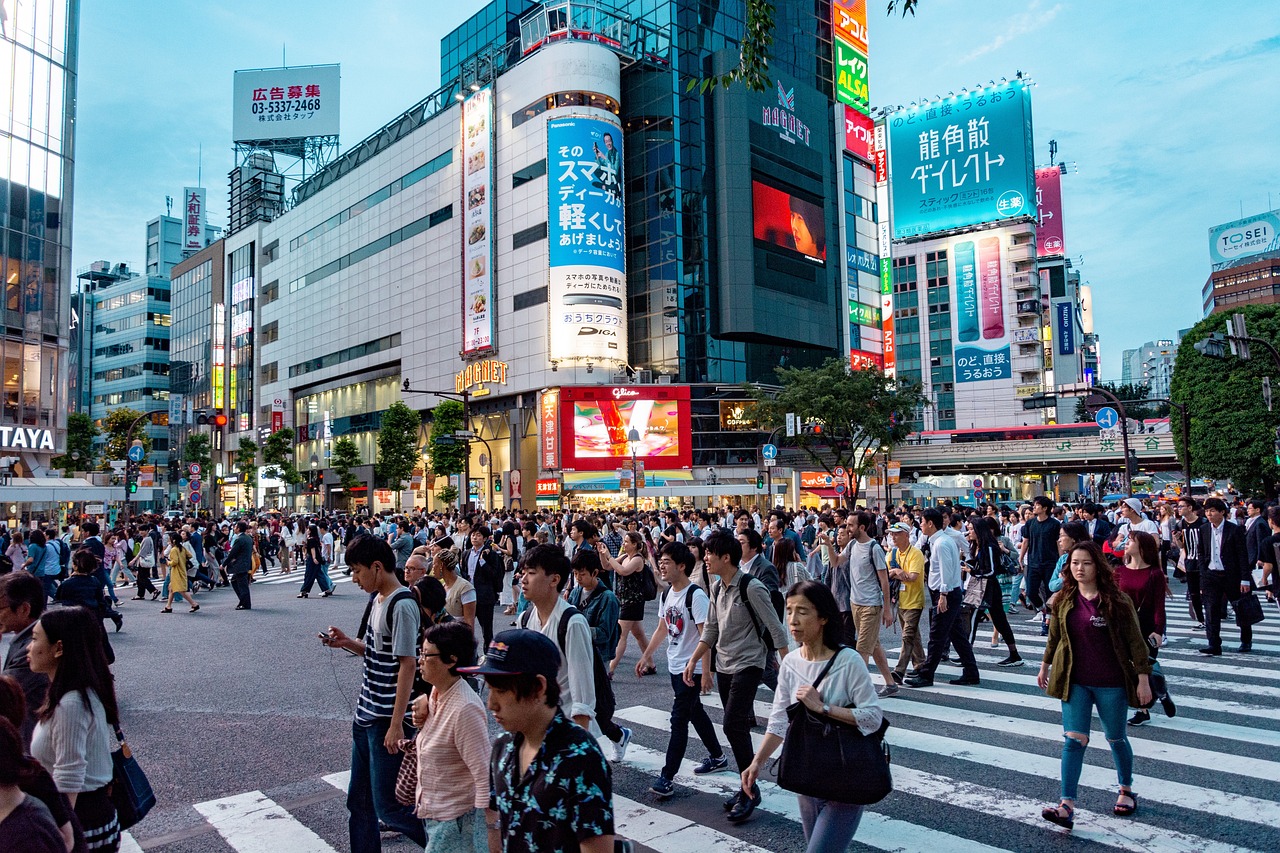
Tokyo, the bustling capital of Japan, is a vibrant metropolis that seamlessly blends traditional culture with modernity. From serene gardens and historic temples to towering skyscrapers and bustling streets, Tokyo…
Destination:
KYOTO
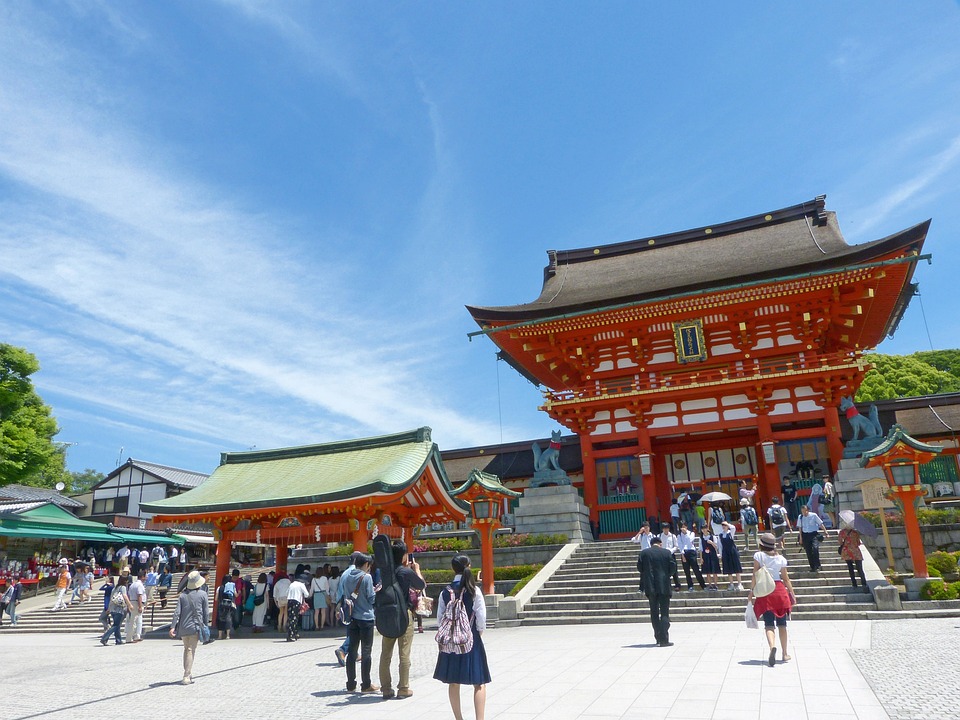
Kyoto, the former imperial capital of Japan, is renowned for its preserved architecture, traditional culture, and natural beauty. Nestled amidst scenic mountains and lush forests, Kyoto captivates visitors with its…
Destination:
OSAKA
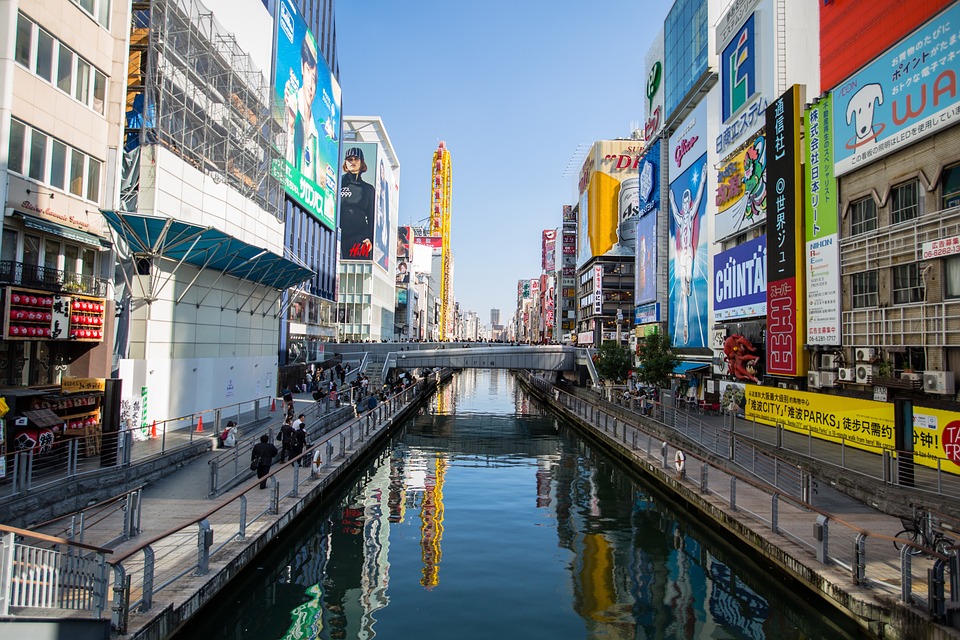
Osaka, Japan’s third-largest city, is a dynamic metropolis that seamlessly blends traditional culture with modernity. Renowned for its culinary delights, vibrant entertainment districts, and historical landmarks, Osaka offers visitors a…
Destination:
HIROSHIMA
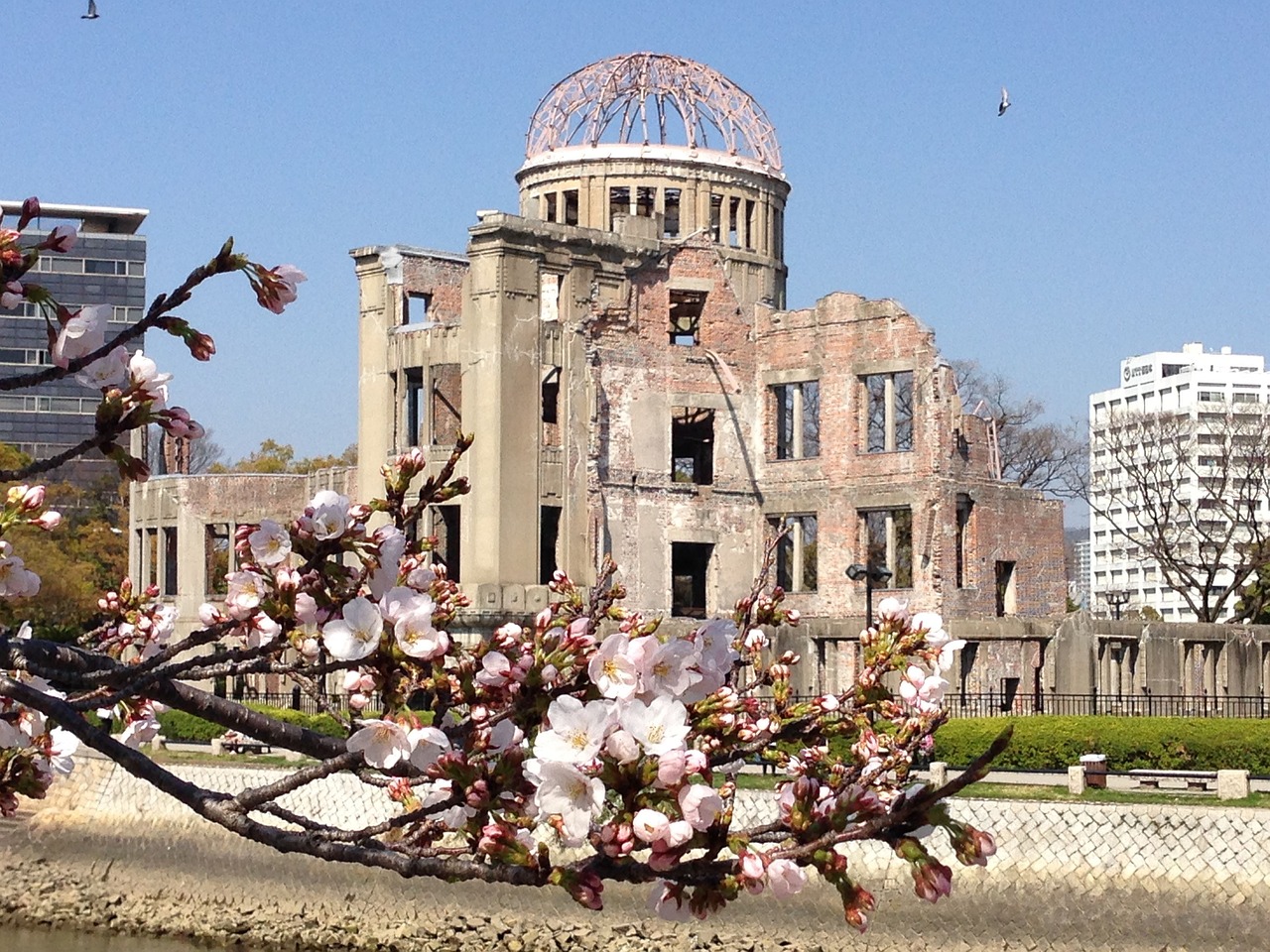
Hiroshima, situated on the western coast of Japan’s Honshu Island, is renowned worldwide for its tragic past and remarkable recovery. Today, it stands as a symbol of peace and reconciliation,…
Destination:
KOBE
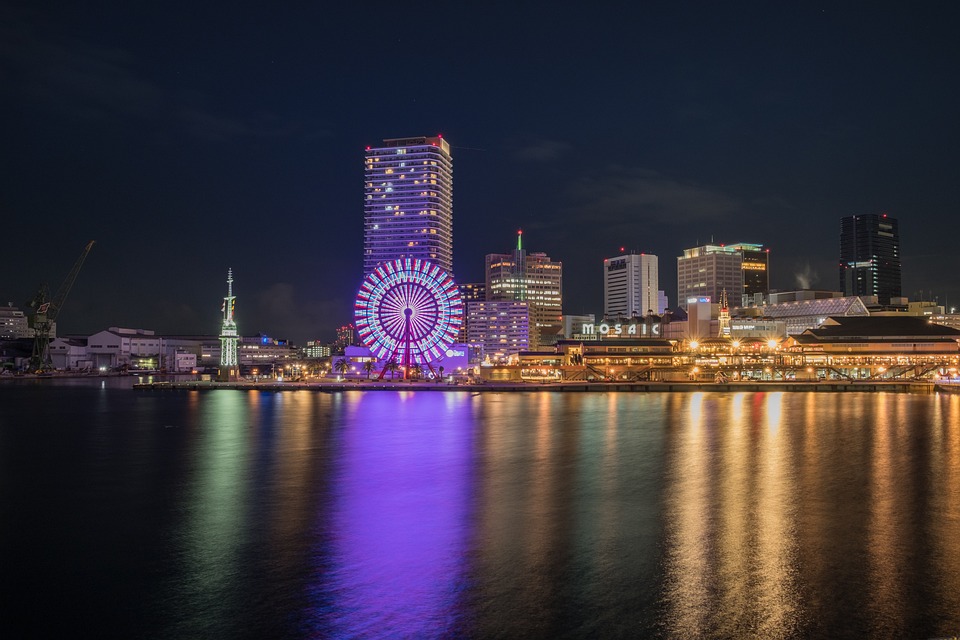
Kobe, located in Hyogo Prefecture, is a captivating city that seamlessly blends modernity with tradition. Renowned for its picturesque landscapes, historical landmarks, and world-class cuisine, Kobe offers visitors a unique…
Destination:
YOKOHAMA
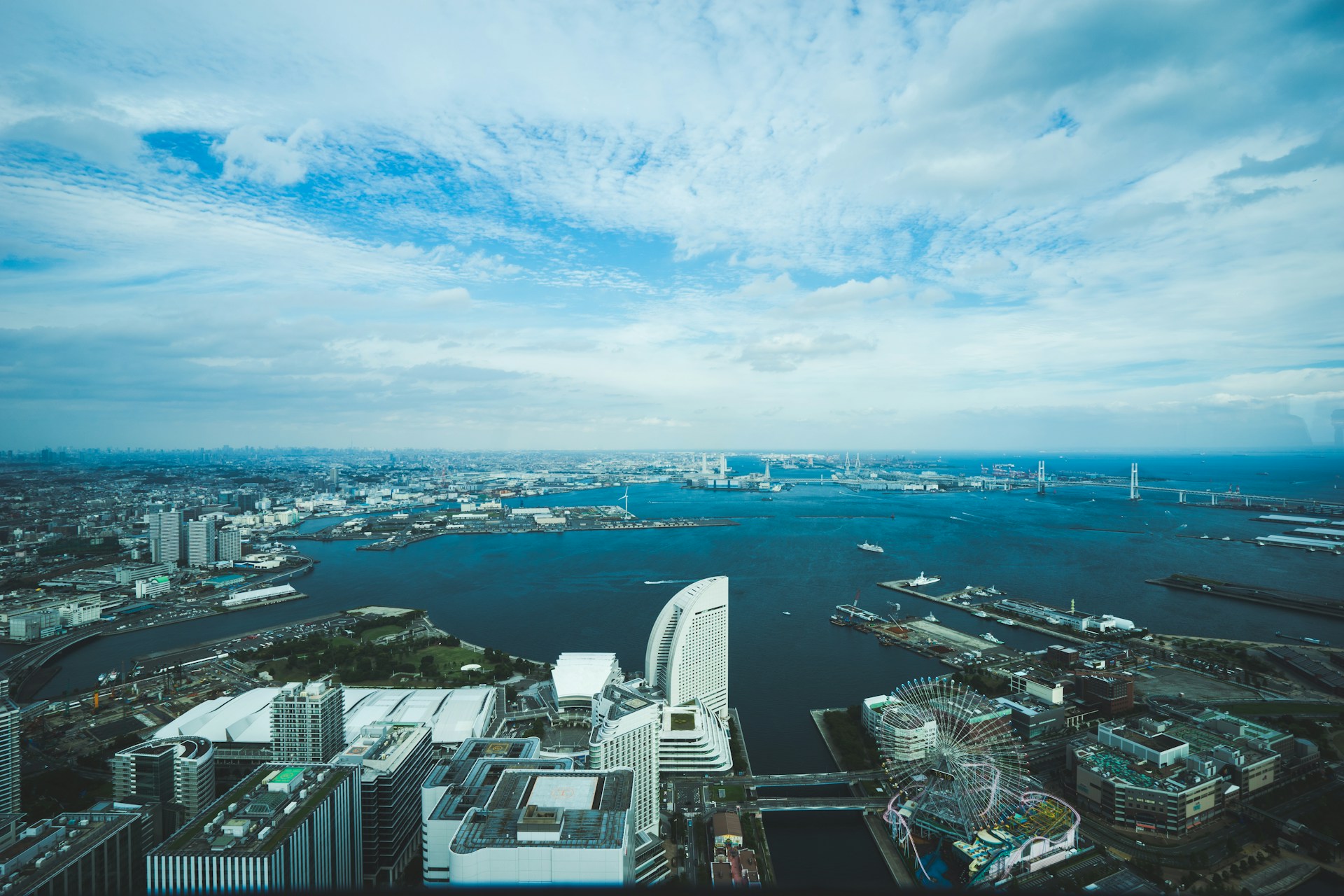
Yokohama, located just south of Tokyo, is a dynamic city that blends contemporary urban living with traditional Japanese culture. With its stunning waterfront, historic landmarks, and cosmopolitan atmosphere, Yokohama offers…
Destination:
NAGOYA
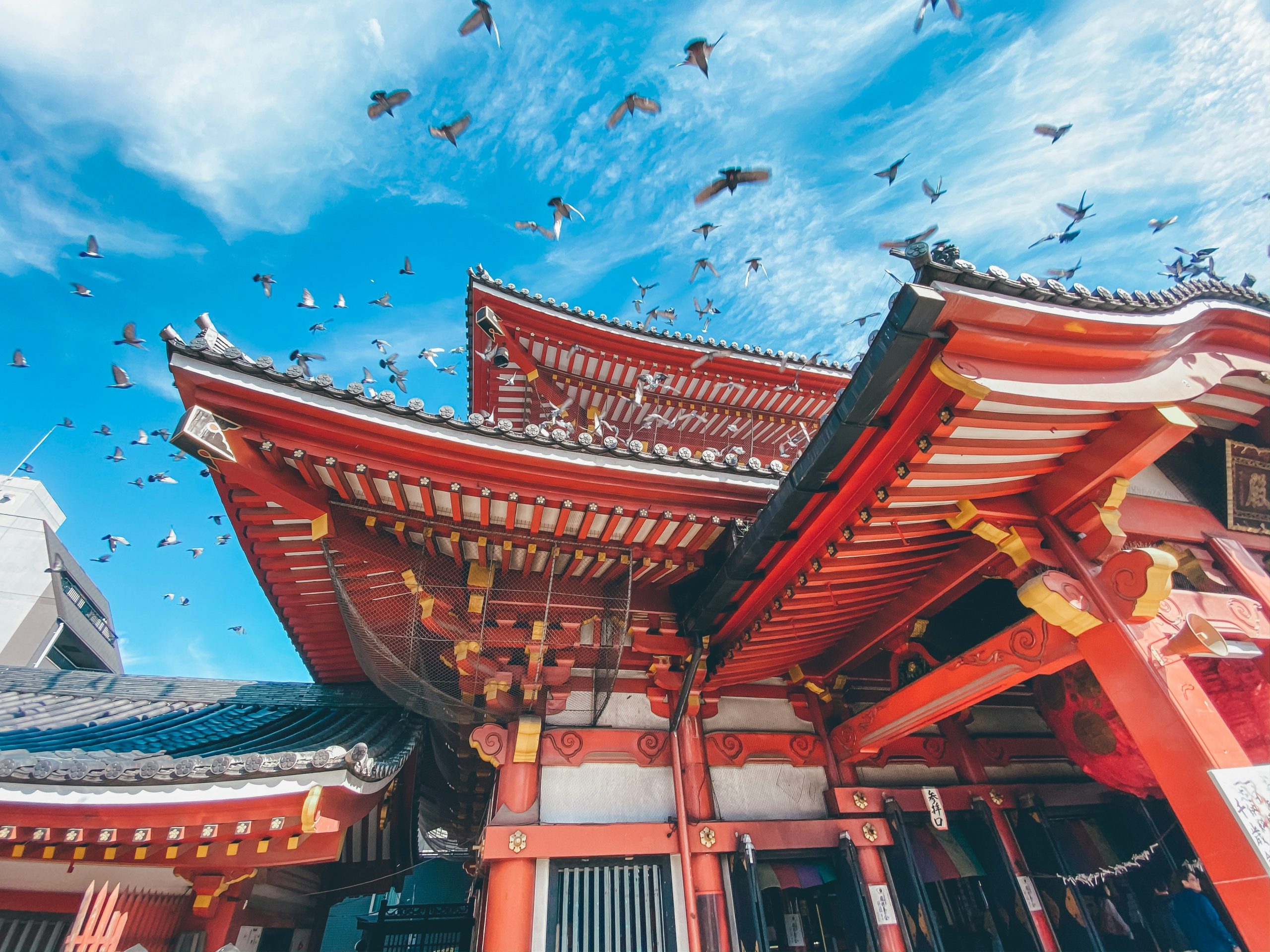
Nagoya, situated in the heart of Japan’s Chubu region, is a vibrant city known for its rich cultural heritage, culinary delights, and modern architecture. From ancient castles and traditional crafts…
Destination:
SAPPORO

Sapporo, situated on the northernmost island of Hokkaido, is a dynamic city that seamlessly blends modernity with tradition. Renowned for its breathtaking landscapes, world-class skiing, and flavorful cuisine, Sapporo offers…
Destination:
FUKUOKA
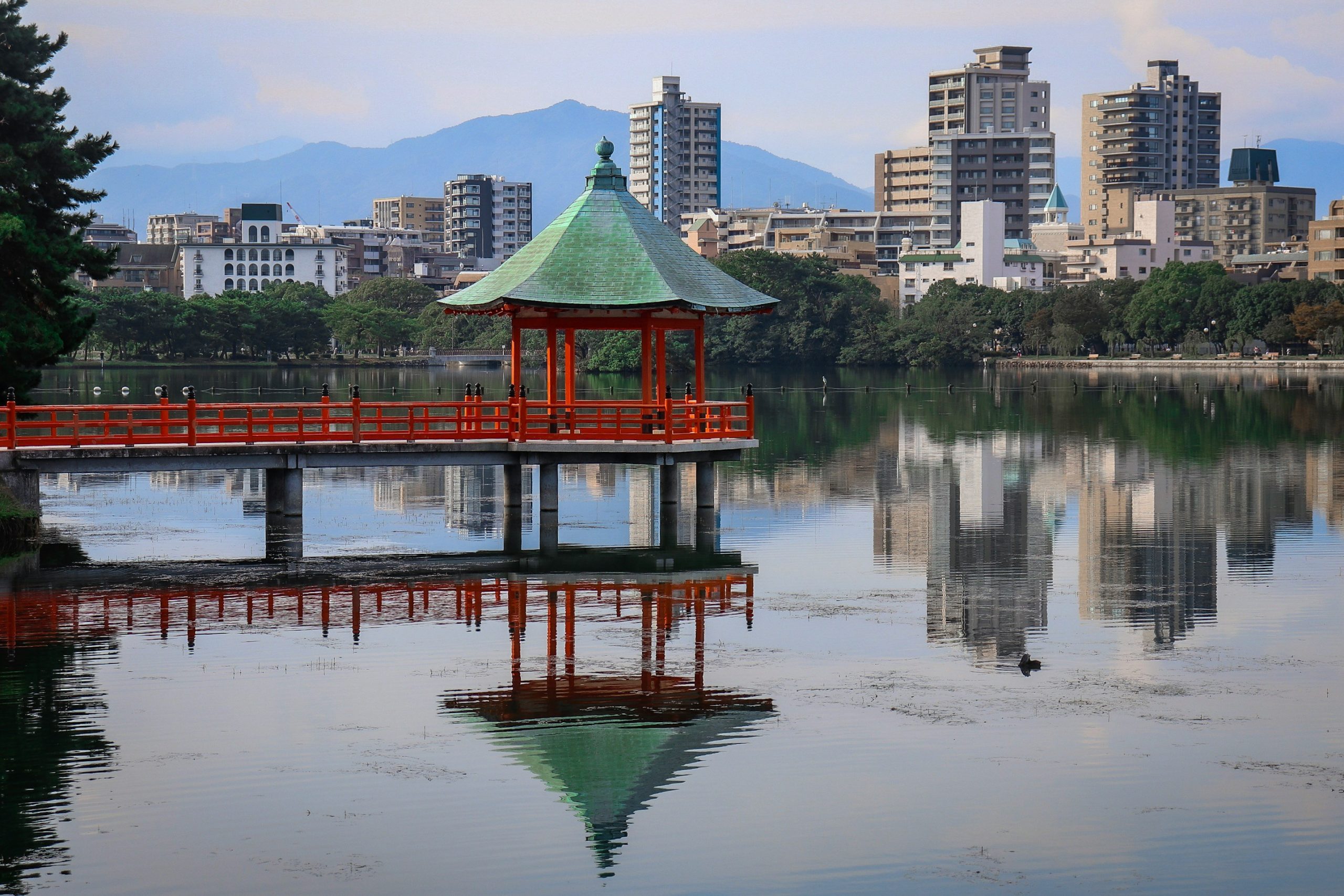
Fukuoka, located on the northern coast of Kyushu, is a dynamic city that seamlessly blends ancient traditions with modern amenities. With its bustling shopping districts, serene temples, and lively festivals,…
Destination:
KAWASAKI

Kawasaki, located just south of Tokyo, is a bustling metropolis known for its industrial heritage, cultural attractions, and diverse neighborhoods. With its thriving arts scene, vibrant festivals, and proximity to…
Destination:
KAMAKURA
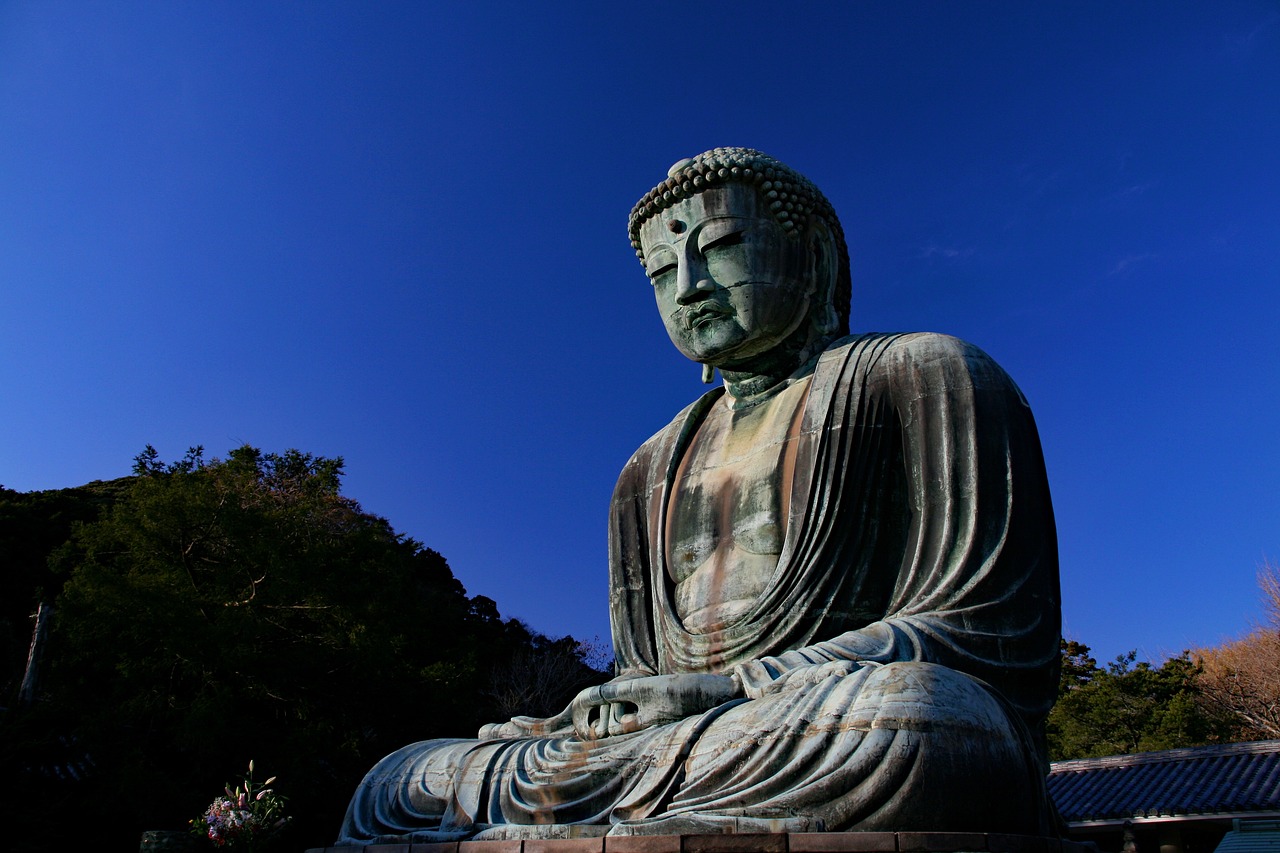
Kamakura, often referred to as the Kyoto of Eastern Japan, is a historic city that served as the political center of Japan during the Kamakura period (1185-1333). Today, it remains…
Destination:
HAKONE
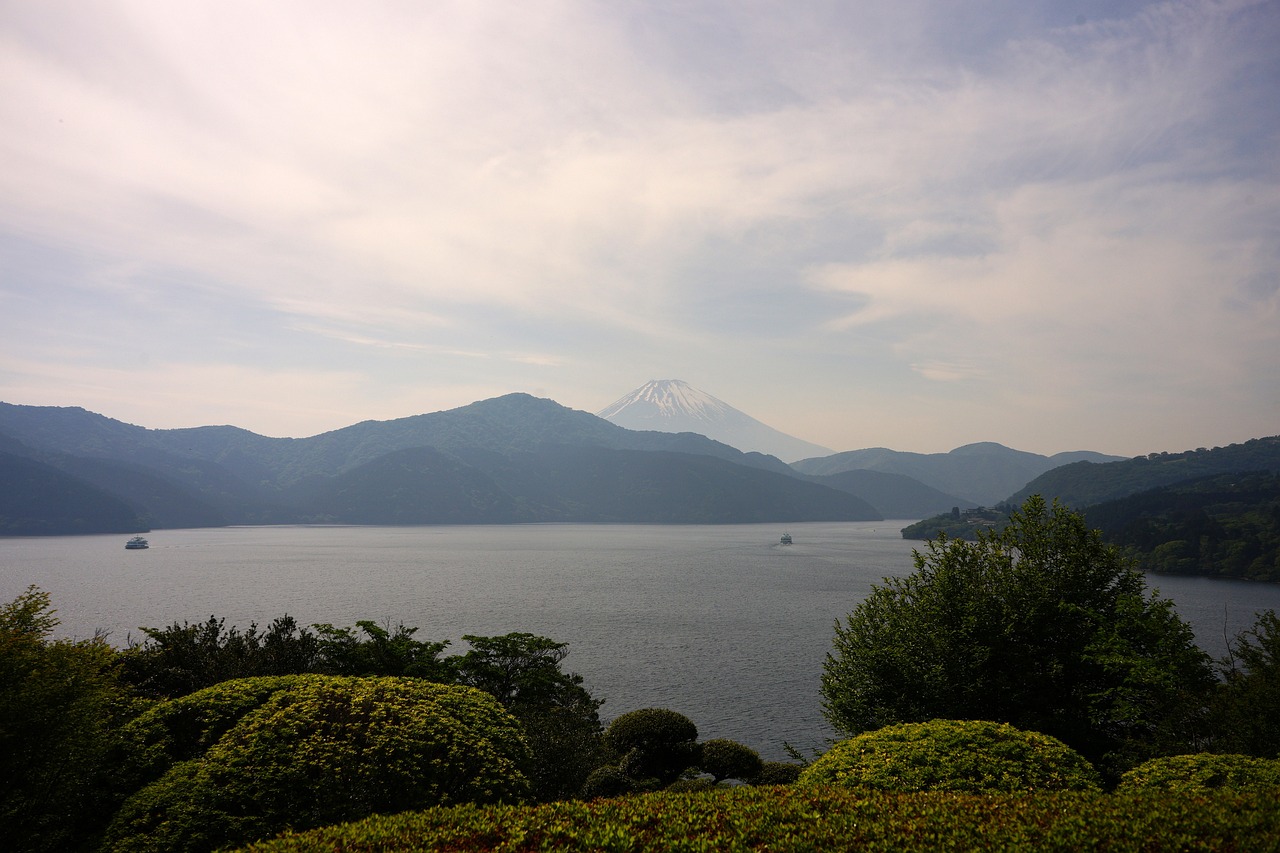
Hakone, nestled in the Fuji-Hakone-Izu National Park, is a tranquil escape from the hustle and bustle of city life. With its scenic vistas, relaxing hot springs, and diverse array of…
Destination:
KANAZAWA
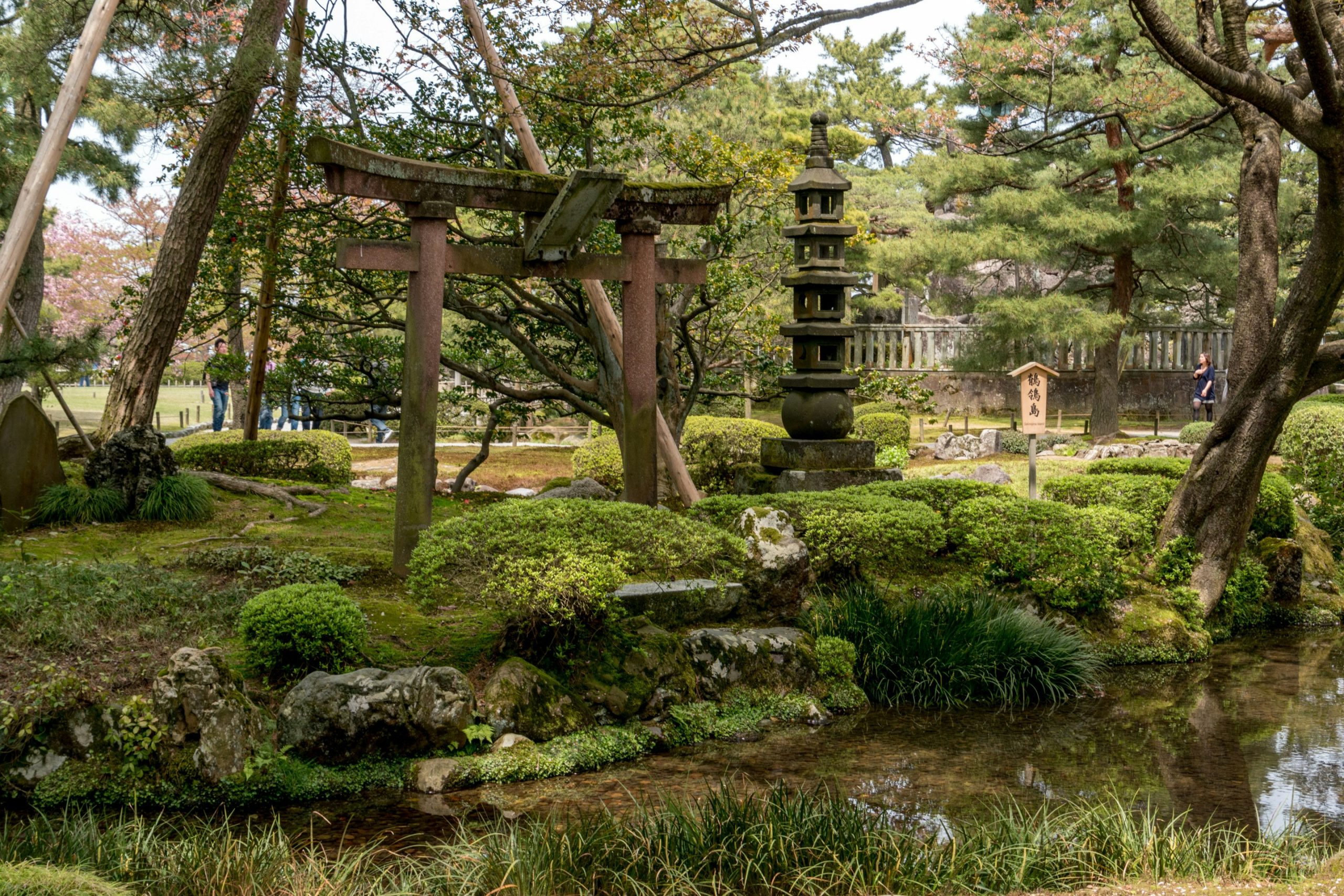
Kanazawa, known as “Little Kyoto,” is a city steeped in culture and tradition, offering visitors a glimpse into Japan’s storied past. With its beautifully preserved samurai and geisha districts, stunning…
Destination:
NARA
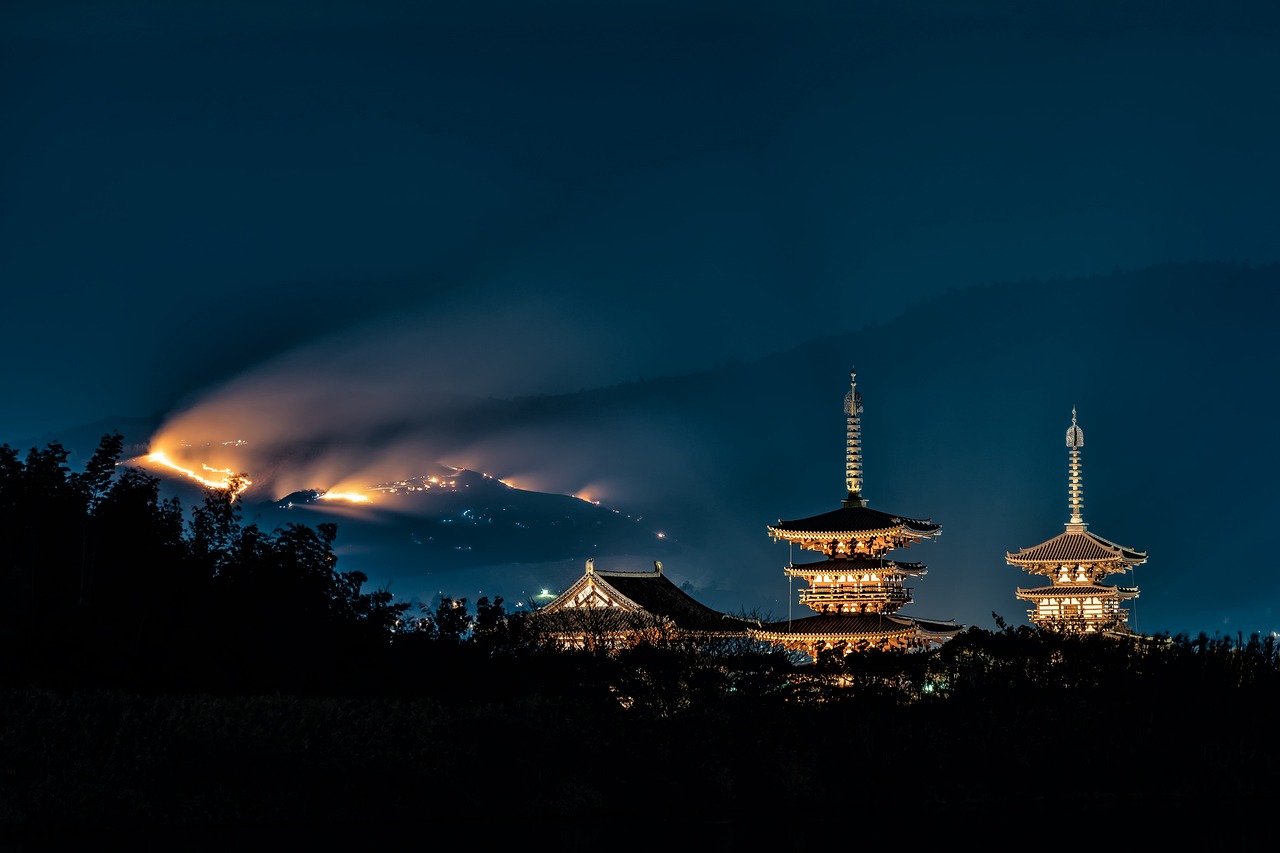
Nara, often referred to as Japan’s “Cultural Heart,” is a city where ancient traditions and modern life converge. With its UNESCO World Heritage Sites, tranquil parks, and vibrant local culture,…
Recent Articles About Japan in Jaunting Magazine
Stay in the Shadow of the Samurai in OZU CASTLE

Step into a world where time seems to stand still, where the echoes of samurai warriors whisper through the halls and the elegance of feudal Japan comes to life before…
Discovering Hyogo’s Sake

Hyogo Prefecture, nestled in the verdant embrace of western Japan, beckons you with its harmonious blend of tradition, natural beauty, and gastronomic excellence. This region, renowned as the birthplace of…
Japan’s Coming of Age – Seijn no Hi

Wandering the bustling streets of Tokyo on a crisp January morning, the city is alive with a an unusual vibrancy. The air is filled with a sense of anticipation and…
Japan’s Secret Sanctuary – OKU

First time visitors to Japan typically have Tokyo, Kyoto and Nara on their list, as these cities are well-known and contain many cultural and historic attractions. Other popular destinations include…
Japan’s Modern Metropolis SAPPORO

Sapporo pulses with life, from the bustling streets lined with shops and restaurants to the serene parks offering a respite from the urban hustle. The wide streets and grid layout…
Immerse Yourself In SUMO

Prepare for an unforgettable cultural experience at The Sumo Hall Hirakuza Osaka, immersed in Japan’s revered sumo wrestling tradition with live performances, interactive activities, and authentic cuisine. Upon entering the…
Blending Cultures:
GOLFING IN JAPAN

Among the picturesque landscapes of Japan, the morning sun casts a gentle glow over both traditional tea houses and meticulously manicured fairways. Golf, a clearly western sport has been embraced…
Nozawa Onsen’s
FIRE FESTIVAL

The brisk winter night descends on Dosojinba square and the flickering glow of torches illuminates the faces of determined villagers, their breath visible in the crisp air. The key players…
Reverence and Beauty –
ITSUKUSHIMA SHINTO SHRINE
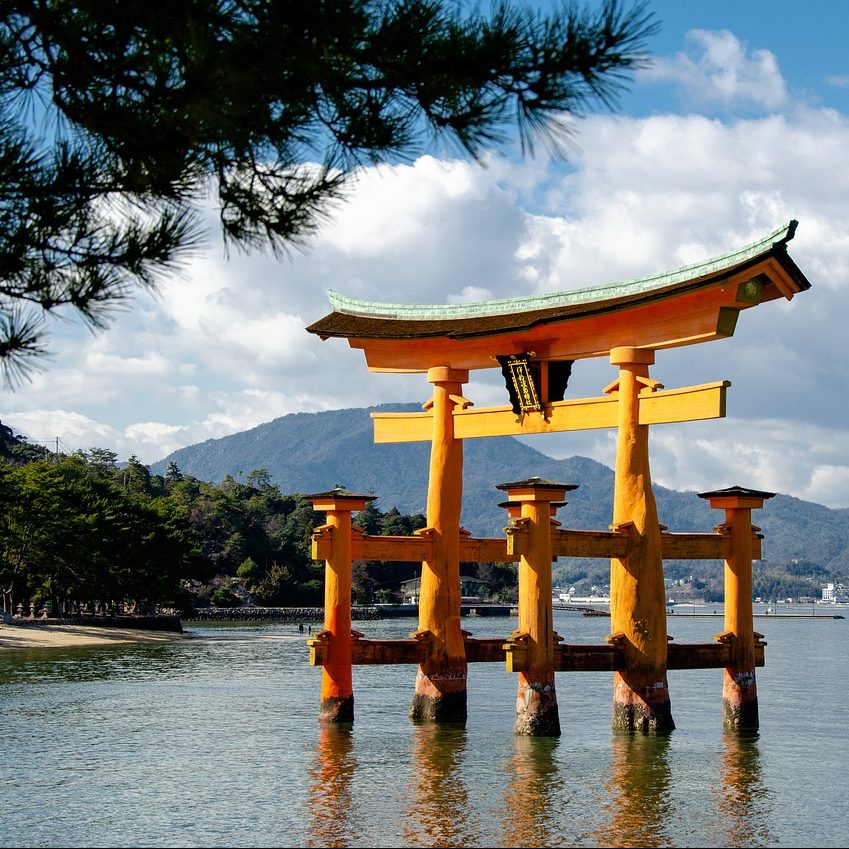
Approaching Itsukushima Shinto Shrine is a transcendent experience marked by a tranquil boat journey through the iconic Floating Torii Gate. In the soft light of dawn, the gate emerges from…
Experience Authentic Japanese Culture in a 270-Year-Old Japanese House at Tokyo National Museum
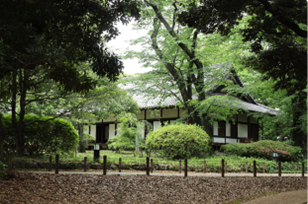
Immerse yourself in the rich heritage of Japanese culture as the Tokyo National Museum opens its doors to the public, offering a unique opportunity to explore the TOHAKU CHAKAN (teahouse)…
Map of Japan
About the Author

Jaunting Magazine Staff
Our magazine is powered by a small but dedicated team of individuals who are passionate about delivering exceptional content to our readers. Working behind the scenes, they collaborate seamlessly to bring you engaging and insightful articles.
Working together, our passionate team endeavors to deliver content that educates, entertains, and inspires. They are committed to upholding the values of our magazine and continually strive to exceed expectations.
We are grateful for the dedication and hard work of our magazine staff, as they play an instrumental role in bringing our vision to life. Stay tuned for their thought-provoking articles as they continue to share their knowledge and insights with you.